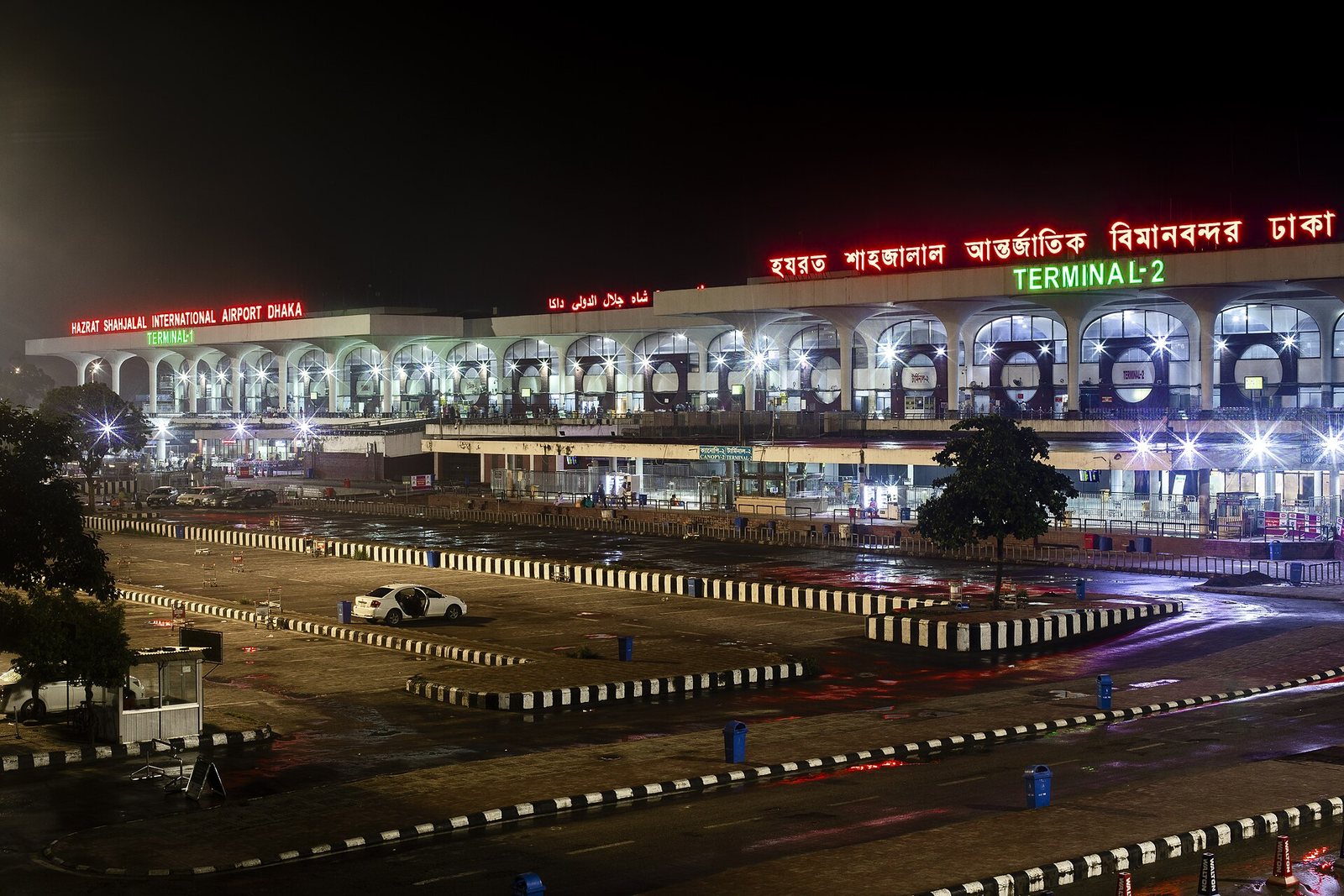
Sheikh Hasina has lived in New Delhi for 780 days. In that time Dhaka has asked for her back three times, Delhi has examined the requests without concluding anything, a tribunal in Dhaka sentenced her to death on live television, and she has given interviews promising to come home by December. Nothing has moved. That is not a deadlock waiting to break. It is the arrangement, and it suits everyone holding a piece of it.
The paper trail
The extradition file has a precise history. On December 23-24, 2024, Bangladesh's interim government sent a note verbale to India, the first formal request for her return (Indian Express). After the tribunal's death sentence in November 2025, the interim government wrote formally to the MEA reiterating the request. In April 2026, Foreign Minister Khalilur Rahman raised the extradition of Hasina and former home minister Asaduzzaman Khan Kamal directly with S. Jaishankar in New Delhi (Moneycontrol/PTI).
Then the demand escalated. On August 10, 2026, Prime Minister Tarique Rahman urged India to "expedite the extradition" of Hasina (BSS). Around September 20, his government went further: Tarique would not visit India until New Delhi extradited her (nation.com.pk; citizen.digital). The request became a condition.
Delhi's replies form their own pattern. On July 17, 2026, MEA spokesperson Randhir Jaiswal said the request was "under examination... given the legalities that are involved and the judicial processes that are involved" (Moneycontrol/PTI). On July 30, a parliamentary standing committee report chaired by Shashi Tharoor recorded the government's position: the request was "being examined by the competent authorities... in accordance with applicable law and established procedures," her stay was "guided by its civilisational ethos and humanitarian tradition of offering refuge," and India gives her no "political platform or any space to undertake political activity from Indian territory" (ThePrint/PTI). Note the tension inside that last sentence: no political platform, while she gives televised interviews from New Delhi about her return.
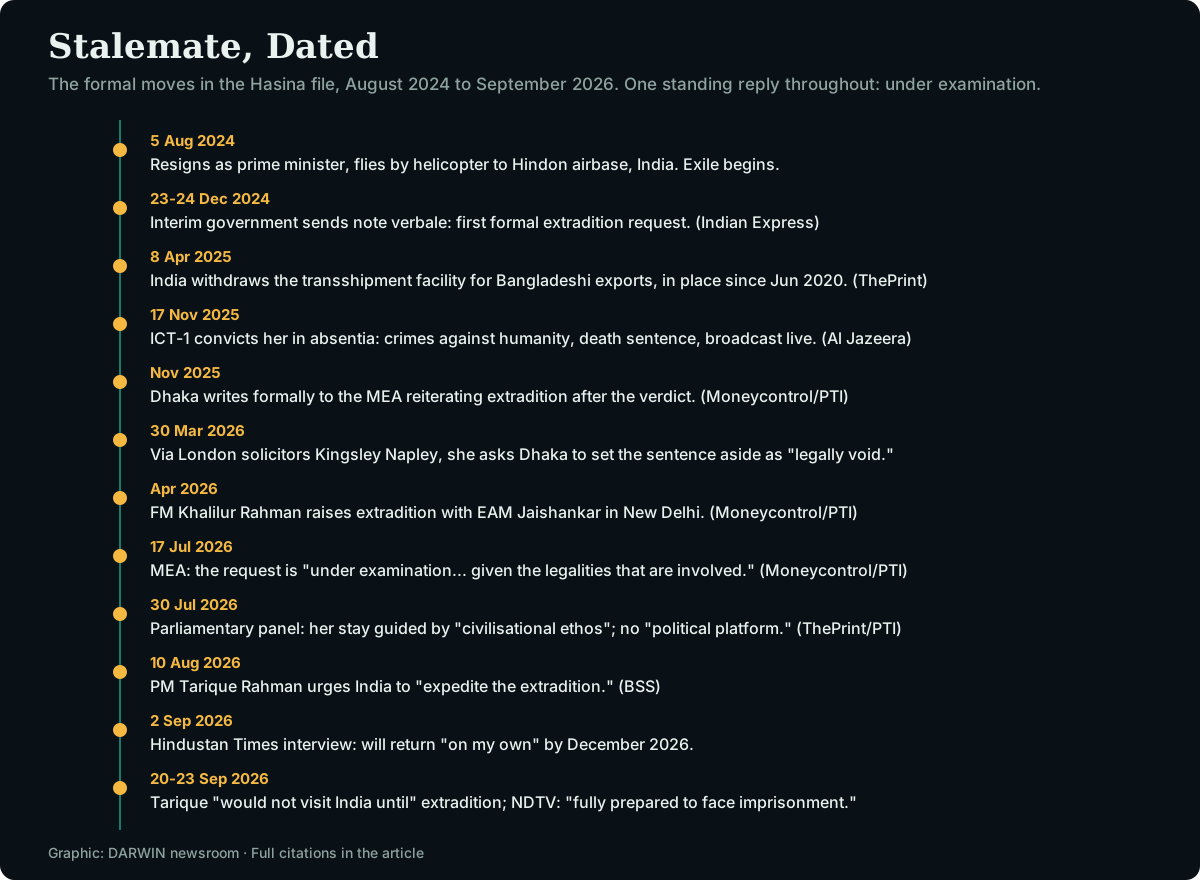
The formal moves in the file, dated. Twenty-one months of requests, one death sentence, and a single standing reply: under examination.
Graphic: DARWIN newsroom · Sources listed belowThe sentence
On November 17, 2025, ICT-1 in Dhaka convicted Hasina in absentia of crimes against humanity over the July-August 2024 crackdown and sentenced her to death. The charges: orchestrating mass killings, ordering and authorizing lethal force from air and ground, murdering specific individuals, incinerating and disposing of bodies. Guilty on three counts: incitement, order to kill, inaction to prevent atrocities. Two counts drew death sentences; the third drew imprisonment until natural death. The verdict was broadcast live. The UN's figure for the dead: up to 1,400 (Al Jazeera). Former home minister Kamal received death in absentia. Former police chief Chowdhury Abdullah Al-Mamun, who pleaded guilty and turned state witness, received five years.
On March 30, 2026, Hasina wrote to Dhaka through London solicitors Kingsley Napley urging the sentence be set aside as "legally void" (New Indian Express). The UN opposed the death sentence; High Commissioner Volker Turk called the verdict an "important moment for victims" while stressing fair-trial norms for an in-absentia trial (Republic World). The sentence does two things at once: it makes Dhaka's demand morally absolute, and it makes compliance diplomatically radioactive. No government hands a 78-year-old woman to a death sentence it watched on television without owning the footage.
The treaty
The India-Bangladesh Extradition Treaty, signed 2013 and amended 2016, contains the machinery of refusal. Article 6 allows refusal where the offence is of a "political character," but explicitly excludes murder, enforced disappearance, torture, terrorism, and kidnapping from counting as political. Article 8 adds refusal grounds where the accusation was not "made in good faith in the interests of justice." The 2016 amendment, Article 10(3), removed the evidence requirement: only a competent court's arrest warrant is needed (Indian Express; Drishti IAS).
Read as a legal instrument, the treaty narrows Delhi's room: the charges are exactly the excluded categories, and a tribunal warrant exists. Read as a political instrument, it widens it: "good faith" is subjective and unchallengeable, and Delhi has not needed either door. "Under examination" is the corridor between them, and India has lived in that corridor for twenty-one months.
The players
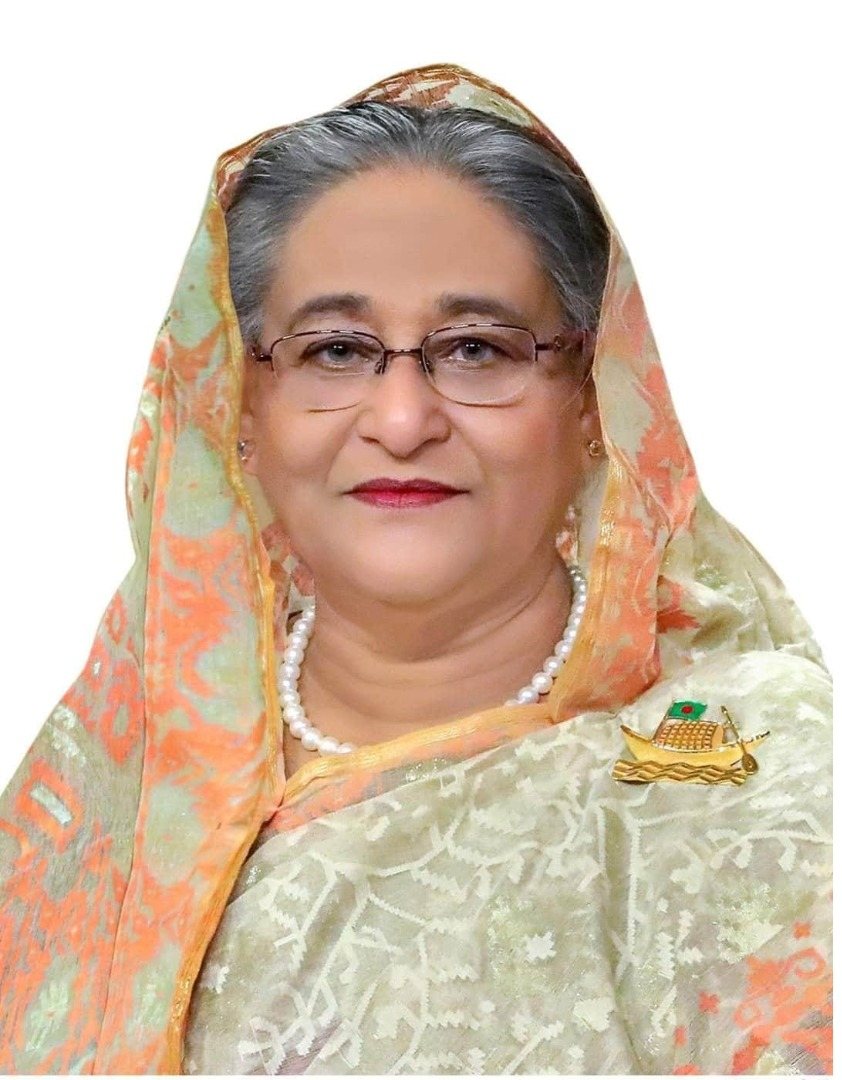
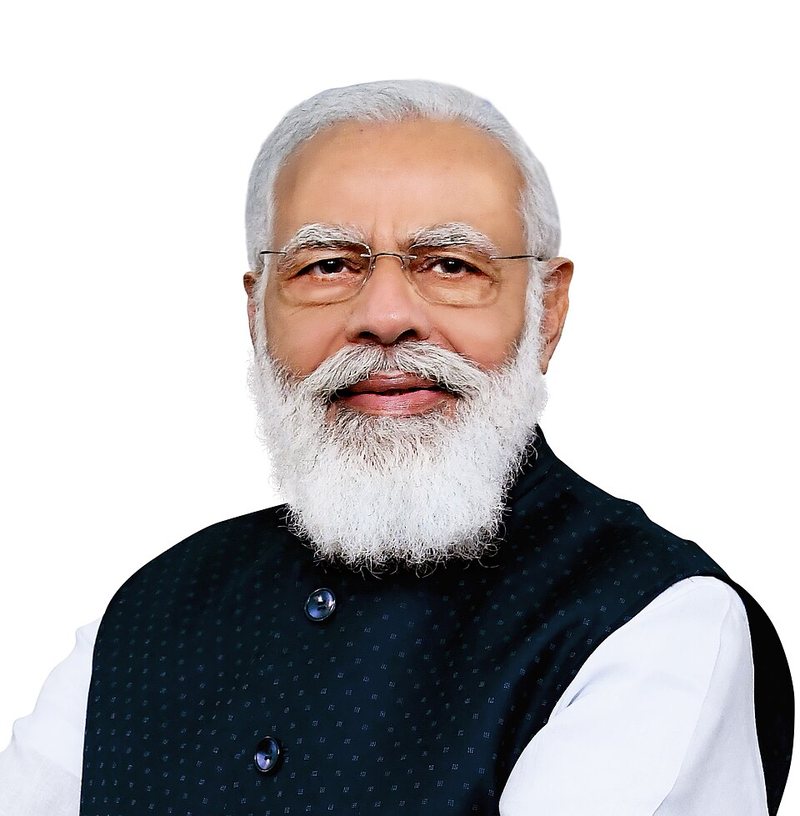
The holder and the held. Delhi keeps the option; Dhaka monetizes the demand; the West buries the file.
Left: Press Information Department, Bangladesh / Wikimedia Commons · Public domain · Right: Government of India / Wikimedia Commons · GODL-IndiaThree players, three different uses for the same woman. Delhi holds her. The incentive is to rent the leverage, never spend it. Her presence in New Delhi is a standing reminder to Dhaka that India keeps an option on the country's politics; her extradition would spend that option in a single move. The July 2026 committee language, "civilisational ethos and humanitarian tradition," is a refusal dressed as a virtue.
Dhaka demands her. The incentive is the demand itself. Tarique Rahman conditioning his India visit on extradition converts her into a diplomatic instrument: the absent villain is more useful than the prisoner. A government that won power in her aftermath needs her as the reason for its vigilance, not as a 78-year-old defendant turning every hearing into a sympathy broadcast. Note the paradox honestly: the demand is loudest from those who would be most damaged by its success.
The West wants her nowhere near power. The record is on paper: US Treasury sanctions on RAB and seven officials in December 2021, the Blinken visa-restriction policy of May 2023 aimed at her election machinery, exclusion from the US democracy summits of 2021 and 2023, and the State Department's welcome of the interim government in August 2024 with accountability "under Bangladeshi law" (TBS; The Hindu; ABP Live). Rehabilitating her would require disavowing that entire file. Institutions do not do that; they manage the stalemate and call it process. No on-record UK or EU position on her return was located in this newsroom's research pass. Their silence is the position.
The money
The leverage has a commercial shadow. On April 8, 2025, India withdrew the transshipment facility, in place since June 2020, that let Bangladeshi exports reach third countries through Indian land customs stations, citing congestion (ThePrint). In May 2026 came reciprocal trade restrictions: ready-made garment exports to India fell from $279.9 million to $265.8 million, the Srimantapur land port was disrupted, and the Maitri Setu bridge at Sabroom-Ramgarh stalled (IDSA). Four notified transhipment routes for India's Northeast traders through Chattogram and Mongla ports exist under the bilateral agreement (Daily Star): the permanent infrastructure underneath the temporary punishments.
Dhaka answered by diversifying patrons. The Boeing order, 25 aircraft planned with 11 signed in New York during UNGA week, buys Washington's goodwill. A $2.3 billion Chinese combat-jet deal, which Hasina herself criticized in her September 2 Hindustan Times interview, buys Beijing's. Tarique Rahman's state visit to Beijing backed the China-Bangladesh-Myanmar Economic Corridor. Membership in the US-led Fostering the Future Together coalition buys a seat at Washington's table. Small states do not get to be picky about which ledger they are written into, so Dhaka is being written into all of them. Hasina sits in the middle of this commerce as the chip nobody cashes: Delhi squeezes trade to punish the post-Hasina order, Dhaka buys jets from everyone to survive the squeeze, and the woman herself appreciates in value the longer she stays put.
Two scenarios, priced
Two futures are discussed for her. Each was priced against the record. Verdicts are Supported, Plausible, or Unsupported.
India trades extradition for border transit and trade concessions
as a near-term prospectThree formal requests and a death sentence have produced twenty-one months of "under examination." A clean trade spends Delhi's only card for concessions, transit slices and port access, that it can extract incrementally without paying. India's doctrine with hosted leaders is to rent leverage, never spend it.
She lands at Shahjalal to force the crisis
as threat; ruinous as actShe says "on my own by December 2026" and "fully prepared to face imprisonment." The footage would be the story: a 78-year-old former prime minister, 79 on September 28, arrested on live television, the state that demanded her return now caging an old woman while the Awami League collects martyr optics without firing a shot. Delhi controls her movements de facto, but permission is a spectrum, and a Hasina who threatens to board is worth more to India than one who sits quietly.
The equilibrium is permanent almost: almost traded, almost landed, never resolved. Everyone wants the issue; nobody wants the person. Delhi keeps the option, the West buries it, Dhaka monetizes the demand, and the treaty provides the corridor where all three can stand without meeting.
The one variable the models underprice is dynastic spite. A forced landing cannot be ruled out precisely because it is irrational, and the irrational is the one move no planner can preempt. Never stake your pension against it.
What to watch
Six observables, stated so they can be proven wrong.
- MEA language. "Under examination" has survived since July 2026; any shift to formal refusal or acceptance ends the ambiguity trade.
- December 2026. Her self-declared return deadline.
- Tarique's India visit. Whether it happens, and what condition is attached when it does.
- Her media access. Delhi promised no political platform; she gave televised interviews on September 2 and September 23. The gap between the promise and the practice is the real policy.
- The trade file. Whether the transshipment facility is restored or restrictions deepen.
- The tribunal. Any move toward international enforcement of the warrant, which would force every capital off the fence.
The kill condition for this article's thesis: if India formally extradites her, formally refuses in writing and closes the file, or she returns and is processed without the predicted broadcast crisis, the "permanent almost" fails and the stalemate was temporary.
Sources
- Indian Express, 24 Dec 2024 (first note verbale; treaty Articles 6, 8, and 10(3)).
- Drishti IAS, 25 Dec 2024 (extradition treaty explainer).
- ThePrint/PTI, 9 Apr 2025 (transshipment facility withdrawn).
- Al Jazeera, 17 Nov 2025 (ICT-1 verdict: death in absentia, live broadcast, UN figure of up to 1,400 killed).
- New Indian Express, 1 Apr 2026 (Kingsley Napley letter urging the sentence be set aside).
- Moneycontrol/PTI, 18 Apr 2026 (November 2025 reiteration; April 2026 FM-Jaishankar meeting in New Delhi).
- Moneycontrol/PTI, Jul 2026 (MEA "under examination," July 17).
- ThePrint/PTI, 30 Jul 2026 (parliamentary panel: "civilisational ethos," no political platform).
- BSS, 10 Aug 2026 (Tarique Rahman urges India to "expedite the extradition").
- nation.com.pk, ~Sep 2026; citizen.digital, ~23 Sep 2026 (no Tarique India visit until extradition).
- Hindustan Times, 2 Sep 2026 (return "on my own" by December 2026; criticism of the $2.3bn Chinese jet deal).
- Indian Express, 23 Sep 2026 (NDTV interview: "fully prepared to face any legal consequences, including imprisonment").
- IDSA Issue Brief, ~19 Sep 2026 (May 2026 trade restrictions; RMG exports $279.9m to $265.8m; Beijing state visit).
- The Daily Star (four notified transhipment routes for Northeast India; page carried no visible date).
- TBS, Dec 2021 (US sanctions on RAB and seven officials); The Hindu, 22 Sep 2023 (visa-restriction policy); ABP Live/PTI, 6 Aug 2024 (US welcomes interim government).
- Republic World, Nov 2025 (UN opposes death sentence; Volker Turk statement).
- Dhaka Tribune; The Daily Star, 27 Sep 2022 (date of birth September 28, 1947).