Tk10,300 crore in three months. That is what the government has disbursed in liquefied natural gas import subsidy between July and September of FY27, according to Petrobangla figures carried by TBS News, and it equals 70.5 percent of the Tk14,600 crore spent across the whole of FY26. The latest tranche, Tk3,000 crore, was released on 21 September. If the pace holds, the full-year bill runs to roughly Tk41,200 crore, nearly triple last year's. That last number is arithmetic, not a forecast: three months of burn, multiplied by four.
War premium
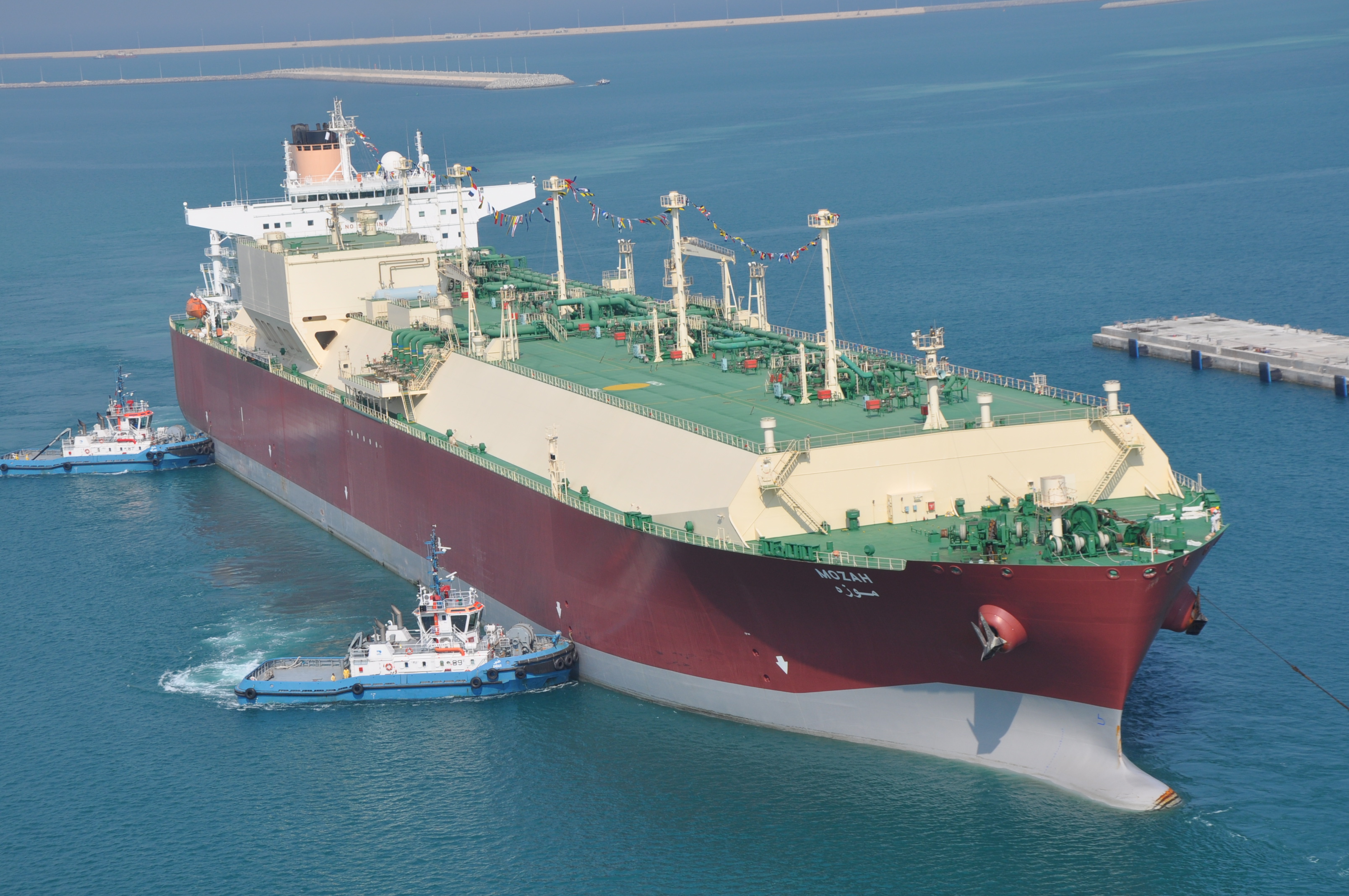
The proximate cause is the Iran-US war and its fallout across Middle Eastern shipping. The conflict has effectively choked the Strait of Hormuz, through which a significant share of global LNG trade normally passes. QatarEnergy, Bangladesh's largest LNG supplier, declared force majeure; Oman's OQT and Excelerate followed. Petrobangla has been replacing contracted cargoes with spot-market purchases to keep gas flowing to power plants, industries, and other consumers.
The spot market is where the bill detonated. Before the conflict, Bangladesh generally bought spot LNG at around $10 to $12 per MMBtu. By August, some cargoes were approved at more than $21 to $22. September cargoes were contracted at $24.25 to $24.63. More recent emergency purchases have crossed $26 to $28 per MMBtu, with some cargoes approaching $30. In July alone, Bangladesh imported 11 LNG cargoes, most of them from the spot market, and procurement has stayed at that level through August and September. Buyers are now sourcing from West Africa, Indonesia, and North America as they diversify away from disrupted Middle Eastern routes.
"The Iran war cost us an additional Tk10,600 crore as most long-term suppliers have maintained force majeure since March, forcing us to rely on expensive spot purchases," said AKM Mizanur Rahman, director (finance) of Petrobangla.
That Tk10,600 crore figure is Petrobangla's own attribution, single-sourced to its finance director. Treat it as the state's number, not a verified one.
Structural gap
The war accelerated a trend it did not create. The subsidy was climbing well before March:
| Fiscal year | LNG subsidy (Tk crore) |
|---|---|
| FY2018-19 | 2,500 |
| FY2019-20 | 3,600 |
| FY2020-21 | 2,400 |
| FY2021-22 | 6,000 |
| FY2022-23 | 6,365.12 |
| FY2023-24 | 6,000 |
| FY2024-25 | 8,900 |
| FY2025-26 | 14,600 |
| FY2026-27 (Jul-Sep) | 10,300 |
The annual bill rose about 143 percent in two years, from Tk6,000 crore in FY2023-24 to Tk14,600 crore in FY2025-26, before the current quarter's blowout. The engine underneath is the price gap, not the war: imported gas costs far more than the state sells it for, and that gap was widening on its own. The war is the accelerant.
Ledger math
During July to September, the blended average import cost stood at Tk46.40 per cubic metre against a weighted average sales price of Tk23.90, leaving a gap of Tk22.50 per cubic metre covered as subsidy. Every cubic metre of gas sold in Bangladesh moves at barely half its import cost. No war outcome changes that arithmetic; only repricing or cheaper supply does.
The cumulative number sharpens the picture. Petrobangla's data show the government has provided about Tk20,900 crore in LNG subsidy since 17 February, when the current government took office, through 21 September, roughly seven months. Stack that against this newsroom's FY27 figures board: Tk52,608 crore in capacity payments and rental charges against a Tk37,000 crore subsidy allocation. The energy subsidy complex is now running at a scale the original budget allocations do not describe.
A second chokepoint is building behind the first. Security risks around the Bab el-Mandeb Strait, which carries 8 to 10 percent of Qatari LNG, have cut vessel traffic amid renewed attacks linked to the wider Middle East conflict. For a country dependent on imported energy, simultaneous disruption risks around Hormuz and Bab el-Mandeb mean longer routes, higher freight and insurance, and tighter cargo availability. The subsidy pressure is unlikely to ease while both straits are contested.
The procurement backstory sits in this newsroom's earlier investigation, Spread Is the Scandal: Bangladesh's LNG Procurement, 2017-2026: the long-term contracts were not the ripoff. The non-competitive process that left Bangladesh underinsured was, forcing spot buying at two to three times contract prices. The current quarter is that thesis playing out in real time.
Sources
- TBS News, "LNG subsidy hits Tk10,300cr in first three months of FY27," September 2026 (Petrobangla figures; all subsidy, price-gap, cargo, and spot-price data in this piece).
- DARWIN newsroom, "Spread Is the Scandal: Bangladesh's LNG Procurement, 2017-2026" (procurement backstory).
- DARWIN newsroom, "Capacity-Payment Gap: FY27 Figures Board" (Tk52,608 crore capacity payments, Tk37,000 crore subsidy allocation).