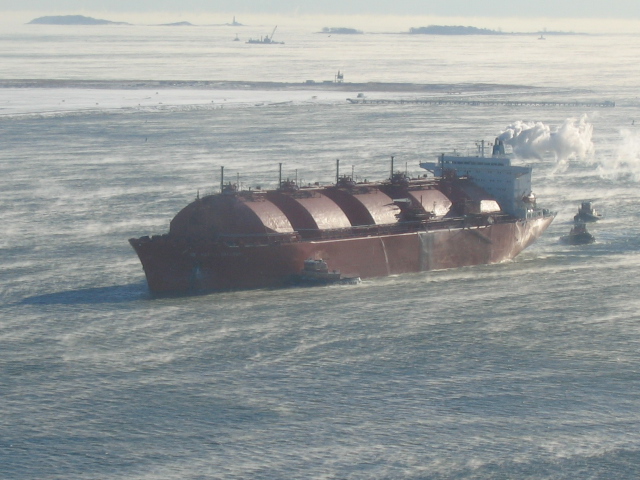
Rashed Al Mahmud Titumir put a number on it in Bangkok on October 9: $4.12 billion in added import costs over seven months, March to September, laid at the door of the Middle East crisis. The finance and planning adviser's breakdown, reported by UNB via TBS News: $1.82 billion for LNG, $2.21 billion for oil, around $70 million for fertiliser. His warning for the months ahead: nearly $600 million a month for as long as the war continues.
The venue mattered. Titumir spoke at Chulalongkorn University just ahead of the World Bank and IMF Annual Meetings, and his ask was directed at the delegations about to gather: the international community should take responsibility for costs that developing countries did not choose. Multilateralism, he said, has delivered inaction.
What the number is, and what it is not
Treat the $4.12 billion with the care it demands. It is a conference figure from a government adviser, not a published ledger line. No document has been produced showing the baseline it was measured against, the price assumptions behind the LNG and oil components, or how much of the seven-month window reflects crisis pricing versus the ordinary volatility of fuel procurement. Until that decomposition exists, the number sits one tier below a finding. It is a claim awaiting its audit.
That is not a dismissal. It is the correct starting posture for any figure that is about to do political work, and this one is already doing political work: it is Bangladesh's opening number for the IMF and World Bank meetings, the quantified grievance it carries into the room.
Where it lands in the ledger
Set the claim aside for a moment and look at where the money would land if it is even broadly right. The import shock is, in substance, a fuel bill. LNG and oil make up $4.03 billion of the $4.12 billion, and fuel for power generation is where Bangladesh's fiscal architecture is already under the most strain.
The arithmetic is unforgiving. Capacity payments to power producers are projected at Tk 52,608 crore for FY27 against a subsidy ceiling near Tk 37,000 crore. That gap predates the Middle East crisis. Every additional dollar on the fuel import bill widens it from the cost side while the contractual obligations hold from the other. This is the fiscal contagion mechanism in motion: an external shock entering through the fuel account and exiting as sovereign balance-sheet stress.
The standard repair lever, raising tariffs, does not fix this. It moves the burden from the budget to households and industry, suppressing the demand growth the capacity payments were contracted against. The lever worsens the other stress points. That finding does not depend on Titumir's number being exact. It depends only on the direction, and the direction is not in doubt.
The question inside the headline
There is a second question the headline number obscures, and it is the one that matters for accountability. An exogenous price shock is not the same as the price the country actually paid. Between the world price and the import bill sit procurement contracts, distributor margins, and pass-through decisions. The $4.12 billion measures what Bangladesh spent. It does not say how much of that spending the shock explains and how much was captured along the way.
That decomposition, margin by margin, is where a claim becomes a finding. Until it exists, the responsible reading is narrow: Bangladesh's fuel import burden rose sharply during the crisis window, the government's number for the increase is $4.12 billion, and the fiscal structure absorbing it was already stretched past its ceiling.
Shifting weights
None of this requires new scenarios. It requires repricing the existing ones. A sustained import shock of this size moves probability mass toward the worse outcomes in any honest ledger of Bangladesh's fiscal position through 2030. The baseline does not survive contact with $600 million a month.
Titumir asked the international community to take responsibility. The domestic question is sharper: with the meter running, who verifies the bill.
Sources
- TBS News (via UNB), "Bangladesh faces $4.12b extra import burden amid Mideast crisis: Titumir," 9 Oct 2026.
- DARWIN forensic power-sector audit (capacity-payment and subsidy-ceiling figures).